2025's Unsung Heroes: Creating a Year-in-Review Campaign That Celebrates Your Customers
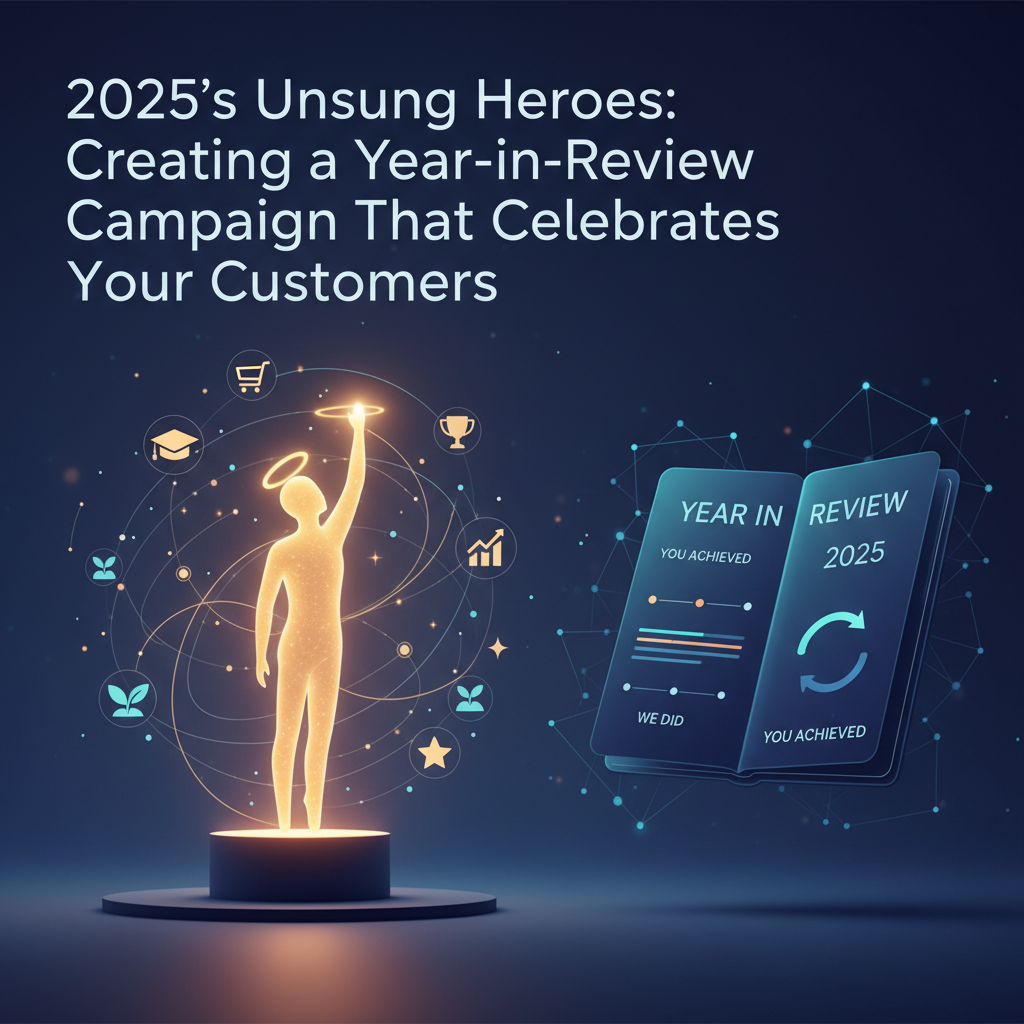
As the year draws to a close, the digital landscape is once again flooded with year-in-review campaigns. But in 2025, the game has changed. The era of self-congratulatory brand roundups is over. Today's consumers, inundated with data and AI-driven messaging, crave authenticity, connection, and recognition. They don't just want to hear your story; they want to see themselves as the hero in it. This is the core principle behind 2025's Unsung Heroes: Creating a Year-in-Review Campaign That Celebrates Your Customers. It's a strategic shift from broadcasting your achievements to celebrating the unique journey each customer has taken with your brand.
Key Takeaways
- Shift from "We did" to "You did": The most effective 2025 campaigns reframe the narrative to focus on individual customer achievements, milestones, and interactions with your brand.
- Hyper-Personalization is Non-Negotiable: Leverage first-party data to create a unique story for each customer. Generic summaries no longer cut through the noise.
- Go Beyond Email: Utilize interactive microsites, personalized AI-generated videos, and social media to create a multi-channel, shareable experience.
- Data Storytelling is Key: Don't just present numbers. Weave data points into a compelling narrative that makes the customer feel seen, valued, and understood.
Table of Contents
- Why Customer-Centric Reviews Are a 2025 Imperative
- Laying the Groundwork: Data and Segmentation
- Crafting the Narrative: Storytelling with Data
- Choosing Your Channels: Beyond the Email Inbox
- Measuring Success and Planning for 2026
Why Customer-Centric Reviews Are a 2025 Imperative
In a world where consumers expect brands to understand their needs on an individual level, a generic "look what we accomplished" email feels tone-deaf. According to recent Gartner research, brands that excel in personalization will outsell competitors by over 30% in 2025. A customer-centric year-in-review isn't just a marketing campaign; it's a powerful tool for retention and advocacy.
Think about the viral success of Spotify's Wrapped. It works because it's not about Spotify's streaming numbers; it's about your music taste, your listening habits, and your identity. It transforms data into a personal story that people are proud to share. This approach fosters a deep emotional connection, turning a passive consumer into an active brand ambassador. It's the ultimate form of customer retention, making your audience feel like a valued part of a community.
Laying the Groundwork: Data and Segmentation
The foundation of a "You-in-Review" campaign is clean, accessible data. You can't tell a customer's story if you don't know it. This process should begin months before Q4, with a focus on data hygiene and strategic tracking.
Data Points to Capture in 2025:
- Transactional Data: Purchase frequency, average order value, most-purchased products/categories, first purchase date.
- Engagement Data: Email open/click rates, content downloads, webinar attendance, support ticket interactions, social media engagement.
- Behavioral Data: Time spent on specific site pages, feature usage in a SaaS product, loyalty program milestones.
- Preference Data: Information explicitly shared by the customer through preference centers or surveys.
Before launching your campaign, a thorough Year-End CRM Cleanup is essential. Ensure your data is accurate, de-duplicated, and properly formatted. This prevents embarrassing errors, like sending a loyal customer a review that only reflects their last two purchases.
Crafting the Narrative: Storytelling with Data
Once you have the data, the real magic begins. The goal is to transform raw numbers into a narrative that resonates emotionally. Frame the data points as achievements and milestones.
Example Narrative Frameworks:
- For an E-commerce Brand: Instead of "You purchased 5 times," try "You're a true trendsetter! You were one of the first 100 people to discover our new sustainable activewear line."
- For a B2B SaaS Company: Instead of "You logged in 150 times," try "You're a productivity powerhouse! This year, you created 85 projects and collaborated with 12 team members, saving an estimated 40 hours of manual work."
- For a Local Coffee Shop: Instead of "You bought 75 lattes," try "You're part of the fabric of our community. Your 75 visits helped us support local dairy farmers and create a space for connection. P.S. Your go-to order is legendary among our baristas."
The key is to connect the customer's actions to a larger, positive impact—whether it's on their own productivity, their sense of style, or their local community. This elevates the interaction from a simple transaction to a meaningful partnership.
Choosing Your Channels: Beyond the Email Inbox
While a personalized email is a great starting point, a multi-channel approach creates a more immersive and shareable experience in 2025.
Modern Channels for Your Campaign:
- Interactive Microsites: A dedicated, personalized landing page where users can explore their data in a visually engaging way. Gamification elements like badges or "user archetypes" (e.g., "The Innovator," "The Connector") can increase engagement.
- AI-Generated Personalized Videos: Services like Synthesia or Tavus allow you to create dynamic videos at scale, where a presenter addresses the customer by name and walks them through their personal highlights. This adds a powerful human touch.
- Social Media Integration: Create easily shareable summary cards or graphics that customers can post to their Instagram Stories, LinkedIn, or X profiles. This organically transforms your campaign into a source of UGC Holiday Campaigns 2025, boosting brand visibility and social proof.
- In-App Notifications: For mobile-first businesses, a celebratory in-app message or a dedicated "Your 2025" section can drive immediate engagement.
Measuring Success and Planning for 2026
The impact of a customer-centric year-in-review extends far beyond open rates. Track these metrics to understand the true ROI:
- Engagement Rate: Clicks, time spent on microsites, video completion rates.
- Social Shares & Mentions: How many customers shared their results? What was the sentiment of the conversation?
- Customer Feedback: Monitor replies and support channels for direct feedback on the campaign.
- Subsequent Purchase Rate: Did the campaign lead to a purchase in the following weeks? Include a small, personalized offer to encourage this.
- Churn Reduction: For subscription businesses, compare churn rates for customers who engaged with the campaign versus those who didn't.
The data and engagement from this campaign are invaluable. Use these insights as you begin your 2026 content calendar strategy, tailoring future content to what you now know resonates most deeply with your most engaged audience segments.
Frequently Asked Questions (FAQ)
When should we start planning our 2025 year-in-review campaign?
You should start planning in Q3 (July-September). This gives you ample time for data strategy, creative development, and technical implementation. The data collection itself is a year-long process.
What if we don't have enough data on a specific customer?
This is where segmentation is crucial. Create a "lighter" version of the campaign for newer customers or those with less data. You can focus on broader community achievements and welcome them, e.g., "You joined over 50,000 new members in our community this year! We're so glad you're here."
Is this type of campaign only for B2C companies?
Absolutely not. B2B companies can create incredibly powerful campaigns. Focus on metrics like product feature adoption, ROI generated, successful projects completed, or team collaboration milestones. It's a fantastic way to demonstrate value and strengthen client relationships.
What are the biggest technical hurdles to overcome?
The main challenges are data integration and personalization at scale. You'll need a robust CRM, a marketing automation platform, and potentially a customer data platform (CDP) to pull disparate data sources together and render them into personalized templates.
How can we make our campaign stand out from others?
Focus on a unique creative angle and exceptional design. Instead of just numbers, create a "persona" or "archetype" for the customer. For example, a project management tool could classify users as "The Visionary," "The Planner," or "The Executor" based on their usage patterns.
What's a realistic budget for a campaign like this?
Budgets can vary widely. A simple, personalized email campaign can be done with existing tools. A more complex campaign with a microsite and AI video could range from $10,000 to over $100,000. It's a key line item to consider when budgeting for digital marketing in the upcoming year.
How do we handle data privacy concerns?
Be transparent. Only use data related to their interactions with your brand. Avoid sensitive or third-party data. Frame it positively and give them control. An opt-out option is always a good practice, though rarely used for these types of feel-good campaigns.
Conclusion
As 2025 comes to a close, your year-in-review campaign is one of your most significant opportunities to build lasting brand loyalty. By shifting the spotlight from your brand's accomplishments to your customers' unique journeys, you do more than just report on the past—you build a foundation for the future. You show your customers that they are not just data points in your CRM; they are the unsung heroes of your brand's story. This simple, powerful shift in perspective is what separates forgettable marketing from unforgettable experiences.
Ready to Make Your Customers the Heroes?
Planning a personalized, data-driven year-in-review campaign can be complex. If you're ready to create an unforgettable experience that drives retention and turns customers into advocates, our team of experts is here to help. Let's start planning how to celebrate your unsung heroes today.
Sources & References
10 Customer Experience Trends For 2024 And 2025 - Forbes
The next level of personalization in retail - McKinsey & Company
Top Marketing Trends & Predictions for 2025 and Beyond - Gartner