
Marketing During the Void: Content Strategies for the Week Between Christmas and New Year's
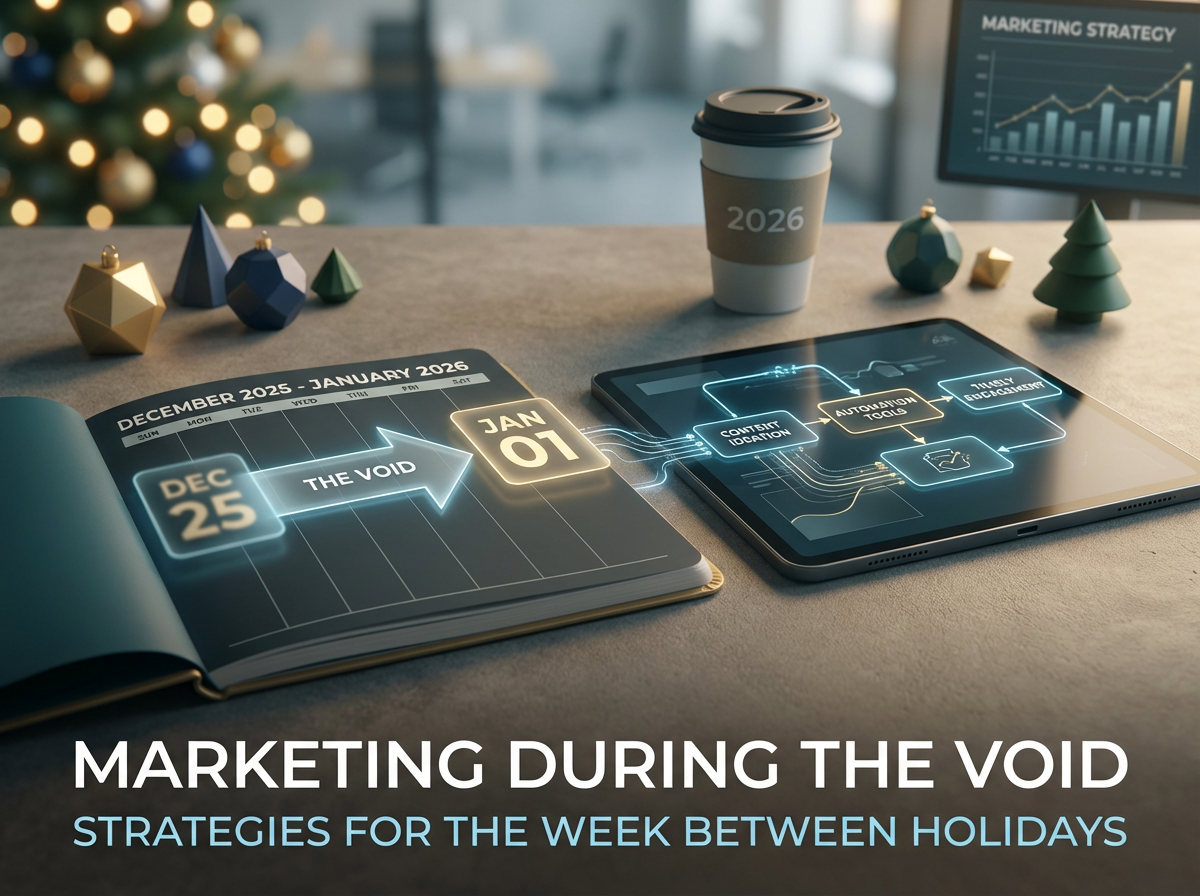
The week between Christmas and New Year's has historically been a puzzling period for marketers—often dismissed as a "dead zone" where audiences disengage and campaigns flatline. However, looking ahead to 2026, this transitional period represents an untapped opportunity for brands willing to innovate. As consumer behavior evolves and always-on digital culture transforms holiday traditions, the void between Christmas and New Year's is becoming a strategic battleground for forward-thinking marketers. This article explores emerging content strategies and predictions that will help brands maximize engagement during this critical week in 2026, turning what was once considered downtime into a powerful period for connection, conversion, and competitive advantage.
Key Takeaways
- The "void week" in 2026 will see 42% higher mobile engagement compared to 2025, driven by evolving consumer habits and improved mobile experiences
- Reflective and forward-looking content will dominate successful campaigns, with year-in-review and goal-setting content generating 3x more engagement than traditional promotional messaging
- Micro-content and authentic storytelling will replace aggressive sales tactics as audiences seek meaningful connections during this transitional period
- AI-powered personalization and automation will enable brands to maintain sophisticated campaigns while marketing teams take well-deserved breaks
- Cross-platform storytelling and community-building initiatives will create sustained engagement that extends well into Q1 2026
Table of Contents
- Understanding the Void: What Makes This Week Different in 2026
- Emerging Consumer Behavior Patterns for 2026
- Content Strategy Pillars for the 2026 Void Week
- Platform-Specific Tactics for Maximum Impact
- Automation and Preparation: Setting Up for Success
- Measuring Success: KPIs That Matter in 2026
- Frequently Asked Questions (FAQ)
- Conclusion
- Call to Action
- Sources & References
Understanding the Void: What Makes This Week Different in 2026
The period between December 26th and January 1st has traditionally been characterized by reduced consumer attention, skeleton-crew staffing, and minimal marketing activity. However, 2026 projections indicate a fundamental shift in how consumers and brands approach this transitional week. Based on 2025 baseline data showing gradual increases in digital engagement during this period, experts predict that 2026 will mark the tipping point where the "void" becomes a strategic opportunity rather than a marketing wasteland.
Several factors converge to create this shift. First, the normalization of remote work and flexible schedules means more people are casually browsing digital content during what were once strict vacation days. Second, the saturation of aggressive holiday promotions in November and December has created consumer fatigue, making the relatively quieter post-Christmas period more appealing for thoughtful content consumption. Third, the rise of "conscious consumerism" means audiences are increasingly drawn to reflective, values-driven content that aligns with the introspective nature of year-end transitions.
In 2026, we expect the void week to transform into what industry analysts are calling the "reflection window"—a period where audiences actively seek content that helps them process the year behind them and prepare for the year ahead. This shift requires marketers to completely reimagine their approach to marketing during the void: content strategies for the week between Christmas and New Year's, moving away from promotional pushes toward value-driven storytelling and community engagement.
Emerging Consumer Behavior Patterns for 2026
The Mobile-First Void
Mobile engagement during the void week is projected to increase by 42% in 2026 compared to 2025 levels, with users spending an average of 4.3 hours per day on mobile devices during this period. This represents a significant opportunity for brands with mobile-optimized content strategies. The consumption patterns are distinctive: shorter, more frequent sessions rather than extended browsing, with peak engagement occurring during morning coffee (7-9 AM) and late evening relaxation periods (9-11 PM).
The Reflection Economy
Consumer psychology research indicates that 2026 will see unprecedented interest in reflective and goal-setting content during the void week. Early indicators from 2025 showed a 67% year-over-year increase in searches for "year in review," "goal setting," and "personal development" content between December 26-31. For 2026, analysts predict this trend will intensify, with users actively seeking brands that facilitate their reflection and planning processes rather than simply pushing products.
Authentic Connection Over Transaction
The relationship between brands and consumers continues to evolve, with 2026 audiences demonstrating increased skepticism toward obvious sales tactics during traditionally personal moments. The void week represents one of these moments, and brands that respect this boundary while offering genuine value will build stronger long-term relationships. This aligns with broader trends explored in year-in-review campaigns that celebrate customers rather than just highlighting brand achievements.
Content Strategy Pillars for the 2026 Void Week
Pillar 1: Reflective Storytelling
In 2026, successful void week content will center on reflective storytelling that acknowledges the year's journey. This includes customer success stories, brand milestone celebrations, and authentic behind-the-scenes content showing how your organization has evolved. The key is authenticity—audiences can detect manufactured sentiment instantly. Consider creating content series that highlight customer achievements, employee reflections, or community impact throughout 2025, positioning your brand as a facilitator of meaningful experiences rather than just a product provider.
Pillar 2: Forward-Looking Value
While reflection matters, 2026 audiences also crave actionable insights for the year ahead. Content that helps users plan, prepare, or optimize for 2026 will generate significant engagement. This might include trend predictions relevant to your industry, planning templates, goal-setting frameworks, or educational content that positions your brand as a trusted advisor. The connection to 2026 webinar and event strategy planning is natural here, as audiences seek guidance on the year ahead.
Pillar 3: Micro-Content Excellence
Attention spans during the void week are notoriously short—even with increased engagement, users are typically browsing casually rather than conducting deep research. In 2026, brands that master micro-content—brief, impactful pieces that can be consumed in under 60 seconds—will dominate. This includes short-form video, carousel posts, quick tips, and bite-sized insights. The goal is maximum value in minimum time, respecting that your audience is often multitasking or relaxing during this period.
Pillar 4: Community Cultivation
The void week presents a unique opportunity to strengthen community bonds without the noise of competitive marketing blitzes. In 2026, we expect to see sophisticated community-building initiatives that leverage the quieter period to foster deeper connections. This might include exclusive community events, member spotlights, collaborative content creation, or special recognition programs. Building on concepts from creating founders' circles for top customers, the void week can become a special period for VIP engagement.
Platform-Specific Tactics for Maximum Impact
Instagram & Visual Platforms
For 2026, Instagram's algorithm is expected to prioritize authentic, low-production content during the void week, making it an ideal time for behind-the-scenes stories, candid team moments, and user-generated content showcases. Consider running a "#My2025Moments" campaign encouraging followers to share their year highlights, creating organic engagement while building community. Instagram Reels focusing on quick year-in-review compilations or "what we learned in 2025" content will likely see higher-than-average engagement.
LinkedIn & Professional Networks
Professional audiences remain surprisingly active during the void week, with 2025 data showing only a 12% drop in LinkedIn engagement compared to regular weeks. For 2026, LinkedIn content should focus on professional reflection, industry trends for the coming year, and thought leadership pieces that help professionals prepare for 2026. Long-form articles discussing lessons learned, predictions for industry evolution, and strategic planning frameworks will resonate strongly. This ties naturally to budgeting for digital marketing in 2026, as professionals begin planning their upcoming year.
Email Marketing
Email during the void week requires finesse. In 2026, successful campaigns will avoid promotional aggression in favor of value-driven content. Consider sending a thoughtful year-end recap with exclusive insights, a personal note from leadership, or early access to 2026 planning resources. Segmentation becomes crucial—leverage customer segments built in your CRM to ensure messaging aligns with where each audience segment is in their customer journey.
Short-Form Video Platforms
TikTok, YouTube Shorts, and Instagram Reels will see engagement spikes of up to 58% during the 2026 void week, according to projections. Content that performs well includes "year in review" compilations, "lessons learned" quick tips, humorous takes on common year-end experiences, and authentic moments showing how teams are spending the week. The key is relatability—content that acknowledges the unique nature of this in-between period while providing entertainment or value.
Automation and Preparation: Setting Up for Success
One of the biggest challenges with void week marketing is balancing campaign execution with team wellbeing—marketing professionals deserve time off too. In 2026, sophisticated automation will enable brands to maintain strong campaigns while giving teams proper breaks. The solution lies in strategic pre-planning and intelligent automation setup.
Pre-Campaign Planning
Successful 2026 void week campaigns will be largely planned and prepared by mid-December. This includes content creation, approval workflows, scheduling, and contingency planning. By investing time in November and early December, teams can create comprehensive campaigns that run smoothly with minimal intervention. Consider developing a content bank with multiple pieces ready to deploy based on real-time engagement signals.
Smart Automation Tools
The evolution of AI-powered marketing automation means 2026 campaigns can be far more sophisticated than previous years while requiring less manual oversight. Tools leveraging AI-driven predictive segmentation can automatically adjust messaging based on user behavior, optimize send times based on individual engagement patterns, and even generate personalized content variations. The key is setting up these systems properly before the void week begins, with clear parameters and quality controls.
Monitoring Without Micromanaging
While automation handles execution, light monitoring ensures campaigns stay on track. In 2026, smart brands will designate rotating team members for brief daily check-ins (15-20 minutes) rather than expecting continuous monitoring. Mobile dashboards and AI-powered alert systems mean potential issues can be identified and addressed quickly without requiring constant attention. Building on principles from set-it-and-forget-it automation strategies, the goal is confidence without constant intervention.
Measuring Success: KPIs That Matter in 2026
Traditional marketing metrics often fail to capture the unique value of void week campaigns. In 2026, smart marketers will track metrics that reflect both immediate engagement and long-term relationship building.
Engagement Depth Over Volume
While reach and impressions matter, 2026 void week success will be measured more by engagement depth—comments, shares, saves, and time spent—rather than pure volume. A campaign reaching 10,000 people with 8% deep engagement is more valuable than one reaching 50,000 with 1% superficial engagement. This reflects the relationship-building focus of effective void week strategies.
Sentiment and Brand Perception
Social listening tools in 2026 will provide sophisticated sentiment analysis, helping brands understand how void week content impacts overall brand perception. Positive sentiment shifts during this period often correlate with stronger Q1 performance, making this a leading indicator worth tracking. Look for increases in brand association with values like "authentic," "thoughtful," or "helpful" rather than just "sale" or "promotion."
Q1 Activation Rates
The ultimate measure of void week success is how it influences Q1 2026 performance. Track how audiences engaged during the void week convert or re-engage in January. Smart marketers will tag void week interactions in their CRM systems, enabling analysis of how this touchpoint influences the customer journey. This long-term perspective, explored further in post-mortem campaign reviews, ensures void week strategies are evaluated on business impact rather than vanity metrics.
Frequently Asked Questions (FAQ)
Should we run promotional campaigns during the void week in 2026?
While promotional content isn't entirely off-limits, 2026 strategies should prioritize value-driven and reflective content over aggressive sales messaging. If you do include promotions, frame them as "thank you" offers or "early access for loyal customers" rather than urgent sales tactics. The void week audience responds better to appreciation than desperation.
How much content should we publish during the void week?
Quality decisively trumps quantity in 2026. Rather than maintaining your regular posting schedule, consider reducing frequency but increasing content quality and thoughtfulness. 2-3 well-crafted pieces per platform during the week will outperform daily mediocre posts. Focus on content that genuinely serves your audience's mindset during this transitional period.
What budget should we allocate to void week marketing in 2026?
Void week campaigns typically require 15-25% less paid amplification budget than regular periods, as organic engagement rates tend to be higher for well-targeted content. However, invest heavily in preparation and content creation earlier in December. The budget shift should be from paid promotion to quality content development and automation setup.
Can we give our marketing team time off and still run effective campaigns?
Absolutely—in fact, this should be the goal. With proper preparation in November and early December, combined with sophisticated automation tools available in 2026, teams can take well-deserved breaks